Full and final settlement is the last financial interaction with an employee, and the one they remember. Delays and errors here reach future candidates through reviews and referrals faster than any other HR failure.
What is payable
- Salary for days worked in the final month, pro-rated
- Leave encashment for accumulated earned leave, per policy and state law
- Gratuity, if five years of continuous service is met — see the 4 years 240 days interpretation
- Statutory bonus, pro-rated, if eligible
- Pending reimbursements with approved bills
- Variable or incentive pay earned and due per the scheme terms
- Notice period pay, where the employer waived the notice requirement
What is recoverable
- Notice period shortfall, where the employee did not serve the full notice and the contract provides for recovery
- Outstanding loans and advances
- Unreturned assets — laptop, phone, access cards, at documented value
- Excess leave taken beyond entitlement
- Training or bond recovery, where enforceable and documented
⚠️ What you cannot do
Withhold gratuity against asset recovery or a notice dispute. Gratuity forfeiture is permitted only on narrow statutory grounds, and the 30-day payment clock runs regardless of other disputes. Pursue recoveries separately rather than netting them against gratuity.
Tax treatment
- Leave encashment at exit — taxable for resignation; limited exemption applies on retirement
- Gratuity — exempt up to the least of ₹20 lakh, amount received, or the formula amount. The ₹20 lakh is a lifetime limit.
- Notice pay recovered from the employee reduces salary income in practice, though the position has been litigated; apply your advisor's view consistently
- Retrenchment compensation — specific exemptions apply
- TDS must be computed on the full-year position including settlement amounts, not on the settlement in isolation
Timelines
- Gratuity — within 30 days of becoming payable, with interest thereafter
- Wages — the Payment of Wages Act requires payment of wages for the final period by the second working day after termination in cases of termination by the employer; resignation cases commonly follow the normal wage cycle
- Full settlement — industry norm is 30 to 45 days; some state rules are tighter
Pick a standard, publish it, and meet it. "It takes 60 to 90 days" is a reputational cost you are choosing to pay.
Documents the employee is owed
- Relieving letter
- Experience or service certificate
- Full and final settlement statement, itemised
- Form 16 for the period worked, by 15 June following the financial year
- PF exit date marked in EPFO, enabling withdrawal or transfer
- ESI exit update
- Gratuity payment details
💡 Collect a personal email address at exit
Work email is disabled on the last day, and Form 16 arrives months later. Without a personal address on file you will be fielding requests from ex-employees who cannot file their returns — and they will be annoyed by then.
A clean exit sequence
- Resignation acknowledged in writing, with the last working day confirmed
- Exit checklist initiated — handover plan, asset list, access revocation schedule
- Clearances collected from manager, IT, finance and admin, in parallel rather than sequentially
- Exit interview conducted before the last day, while the person is still candid
- Settlement computed and shared with the employee for review before payment
- Payment released within the published timeline
- Statutory updates completed — EPFO exit date, ESI
- Documents issued
Running clearances in parallel is the single biggest time saving. Sequential clearance chains are why settlements take months.
Disputes and how to avoid them
- Show the arithmetic. An itemised statement with each component and recovery explained prevents most disputes outright.
- Share before paying. Let the employee query the computation while it can still be corrected easily.
- Document asset values. Recovery at an undocumented figure invites argument.
- Check notice recovery against the contract. Recovering more than the contract provides is not enforceable.
- Do not use settlement as leverage. Withholding dues to force a handover or discourage a complaint creates legal exposure and reputational damage.
✅ What automation helps with
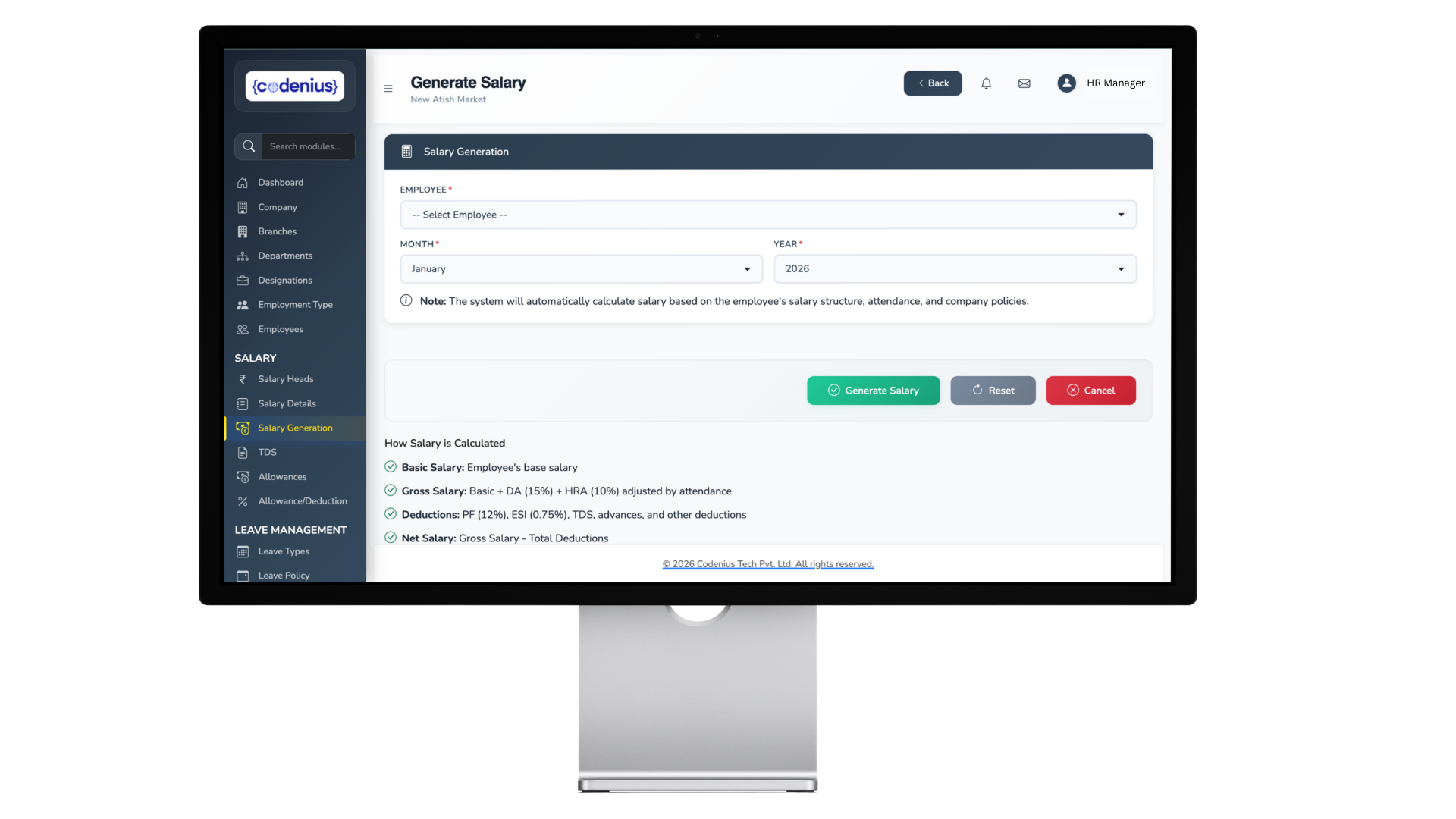
Gratuity and leave encashment computed from tenure and balance data, TDS recomputed on the full-year position, and the clearance workflow tracked with owners and dates. The settlement statement then generates itself from data that is already correct.
📝 Final note
Treat exits as well as you treat joiners. Former employees refer candidates, return as rehires, and write reviews. A 30-day clean settlement is one of the cheapest reputation investments available.